When Ohio Nearly Started America's Silliest Civil War Over a Swamp Nobody Wanted
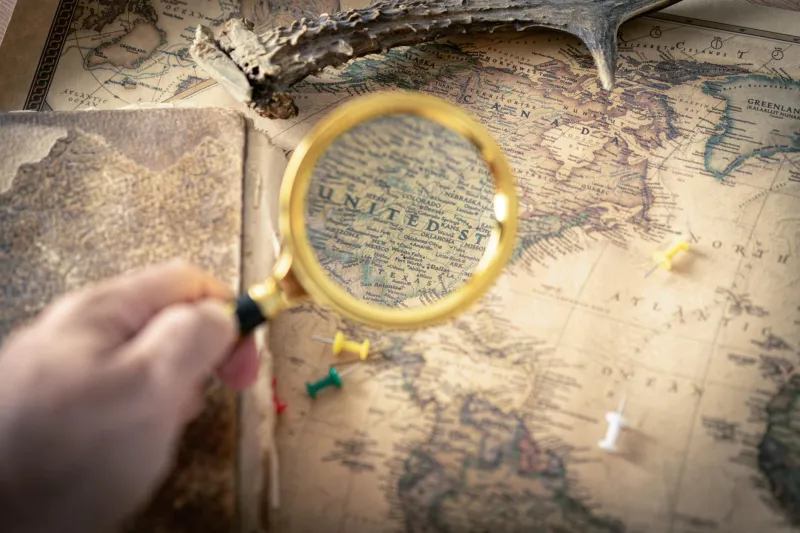
The Border Blunder That Almost Split the Union
Imagine if California and Nevada decided to settle their differences with muskets and cannons over a patch of desert. Sound ridiculous? Well, that's essentially what happened in 1835 when Ohio and Michigan nearly went to war over Toledo — and a mosquito-infested swamp that nobody particularly wanted.
The Toledo War, as historians generously call it, stands as perhaps the most absurd almost-conflict in American history. Two states mobilized thousands of troops, politicians made fiery speeches about honor and territory, and the federal government watched nervously as the young nation teetered on the edge of its first interstate armed conflict.
All over a city that most people couldn't find on a map.
How a Surveying Mistake Nearly Broke America
The trouble started decades earlier with the kind of bureaucratic bungling that would make a DMV clerk proud. When Congress created the Northwest Territory in 1787, they drew Michigan's southern boundary using a line that ran due east from the southern tip of Lake Michigan. Simple enough, except for one tiny problem: nobody had actually measured where that line would intersect with Ohio's northern border.
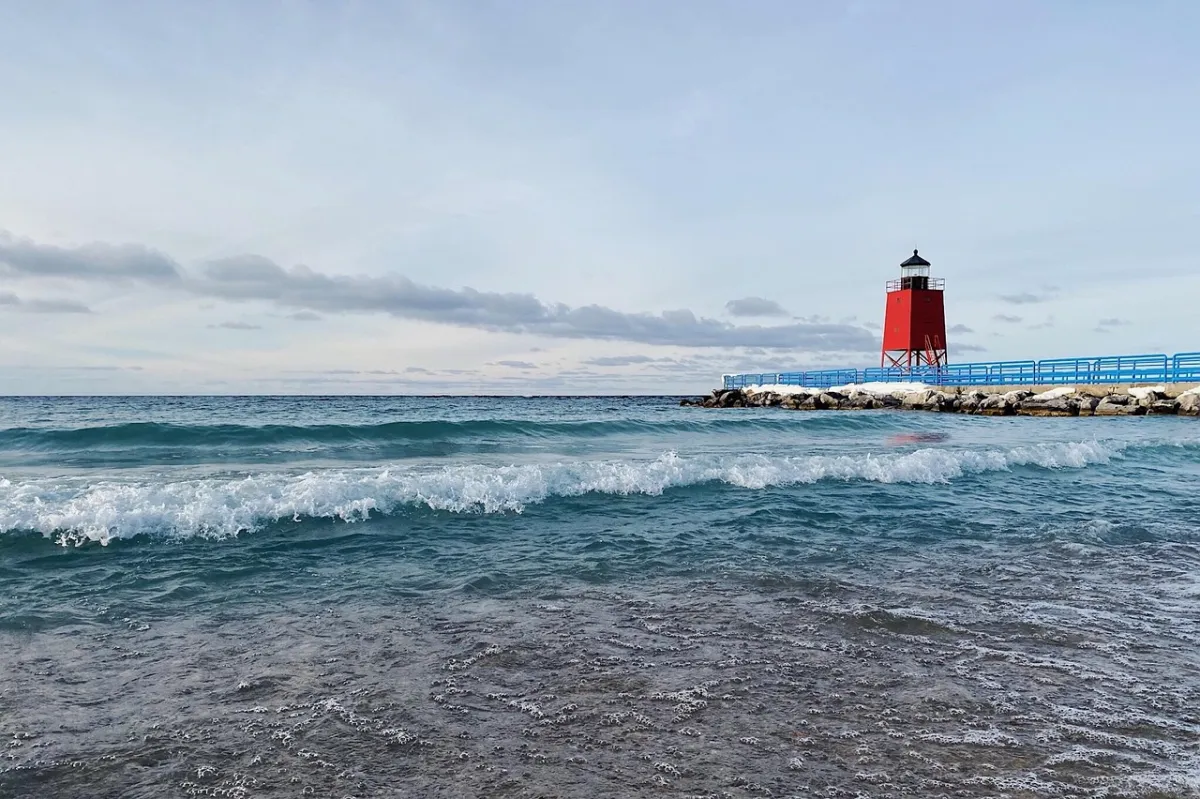 Photo: Lake Michigan, via cdn.pixabay.com
When surveyors finally got around to checking their math in the 1830s, they discovered a spectacular screw-up. The "Toledo Strip" — a wedge of land about 8 miles wide and 468 square miles total — fell into a legal gray area. Both Ohio and the Michigan Territory claimed it, and both had decent arguments.
Ohio pointed to its state constitution, which clearly included Toledo within its borders. Michigan waved around the Northwest Ordinance, which seemed to give them the same territory. It was like two people showing up to a party with the same invitation, except the party was statehood and the bouncer was Congress.
When Politicians Play Soldier
What transformed this paperwork dispute into an armed standoff was politics, pure and simple. Ohio had 21 electoral votes and two senators — Michigan had neither, since it was still a territory fighting for statehood. When President Andrew Jackson looked at the math, the choice was obvious: keep Ohio happy.
But Michigan's 23-year-old governor, Stevens Mason, wasn't about to roll over. In April 1835, he called up the state militia and marched them toward the disputed border. Not to be outdone, Ohio Governor Robert Lucas — a 54-year-old War of 1812 veteran who apparently missed the excitement — mobilized his own forces.
Sudden, the backwoods around Toledo became the stage for America's most ridiculous military buildup. Newspapers breathlessly reported troop movements. Militia units with names like "Wood County Guards" and "Harris Light Infantry" strutted around in uniforms that probably cost more than most people's annual income.
The War's Only Casualty: One Very Unlucky Deputy
For all the posturing and saber-rattling, the Toledo War produced exactly one casualty. On April 26, 1835, a Michigan deputy sheriff named Joseph Wood got stabbed in the thigh with a penknife during a scuffle with Ohio militiamen.
That's it. That's the entire body count of America's most pointless almost-war.
Wood survived his wound and later received a federal pension for his "service," making him possibly the only person in history to collect military benefits for getting poked with office supplies. Meanwhile, both sides continued glaring at each other across the border, waiting for someone to blink first.
Congress Steps In With the Ultimate Bribe
By late 1835, the federal government had seen enough. Congress crafted a deal that was equal parts brilliant and ridiculous: Michigan could have statehood, but they'd have to give up Toledo. As compensation, they'd receive the entire Upper Peninsula — a frozen wilderness that most people considered worthless.
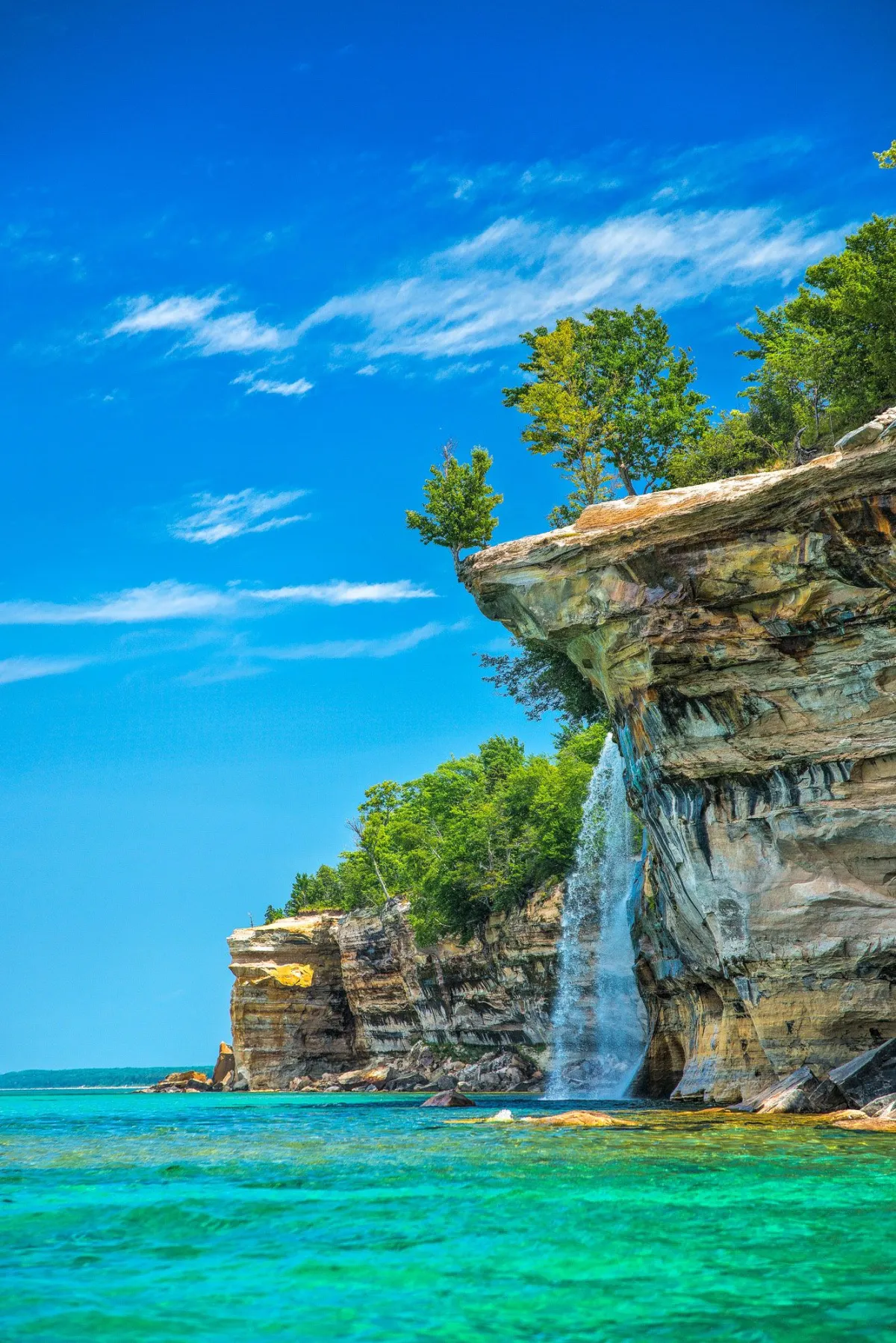 Photo: Upper Peninsula, via i.pinimg.com
Michigan politicians were furious. They called the Upper Peninsula a "sterile region" fit only for "Indians, wolves, and wildcats." Governor Mason denounced the deal as federal extortion. But faced with the choice between Toledo and statehood, Michigan grudgingly accepted.
Ohio got Toledo and its 8,000 residents. Michigan got 9,000 square miles of what looked like frozen wasteland. At the time, it seemed like Ohio had won decisively.
The Consolation Prize That Made Michigan Rich
Then something funny happened. That "worthless" Upper Peninsula turned out to contain some of the richest iron and copper deposits in North America. The mines that opened there fueled America's Industrial Revolution and made Michigan one of the wealthiest states in the Union.
Meanwhile, Toledo... well, Toledo remained Toledo. A nice enough city, but hardly the crown jewel that Ohio thought it was fighting for.
By the 1850s, Michigan was laughing all the way to the bank while Ohio wondered what exactly they'd won. It was like trading a dollar for what you thought was a penny, only to discover you'd actually received a gold coin.
The Legacy of America's Dumbest Almost-War
Today, the Toledo War serves as a reminder that even in a young nation supposedly governed by reason and law, human stupidity can nearly derail everything. Two states almost came to blows over a surveying error, politicians nearly started a shooting war for electoral votes, and thousands of men grabbed their muskets to fight over a swamp.
The only monument to this absurd conflict is a small historical marker in Phillips Corners, Ohio, commemorating the spot where Deputy Wood received his famous penknife wound. It's probably the only war memorial in America dedicated to a office supply injury.
But perhaps that's fitting. In a conflict this ridiculous, even the casualties should be absurd.