The Last Soldier: One Man's Private War That Lasted Until 1974
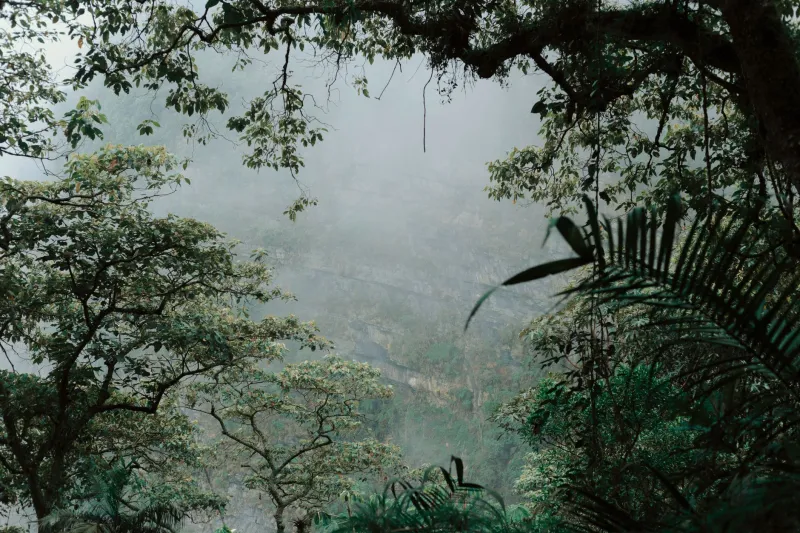
The Last Soldier: One Man's Private War That Lasted Until 1974
Imagine being handed a newspaper from 1974 and being told that somewhere in the jungles of the Philippines, a Japanese soldier was still actively fighting World War II — still setting ambushes, still avoiding capture, still loyal to a chain of command that had dissolved nearly three decades earlier.
You'd assume it was fiction. A movie premise, maybe. The kind of story that gets pitched and rejected because it's too implausible.
It wasn't fiction. His name was Hiroo Onoda, and his war didn't end until March 9, 1974 — 10,174 days after Japan surrendered.
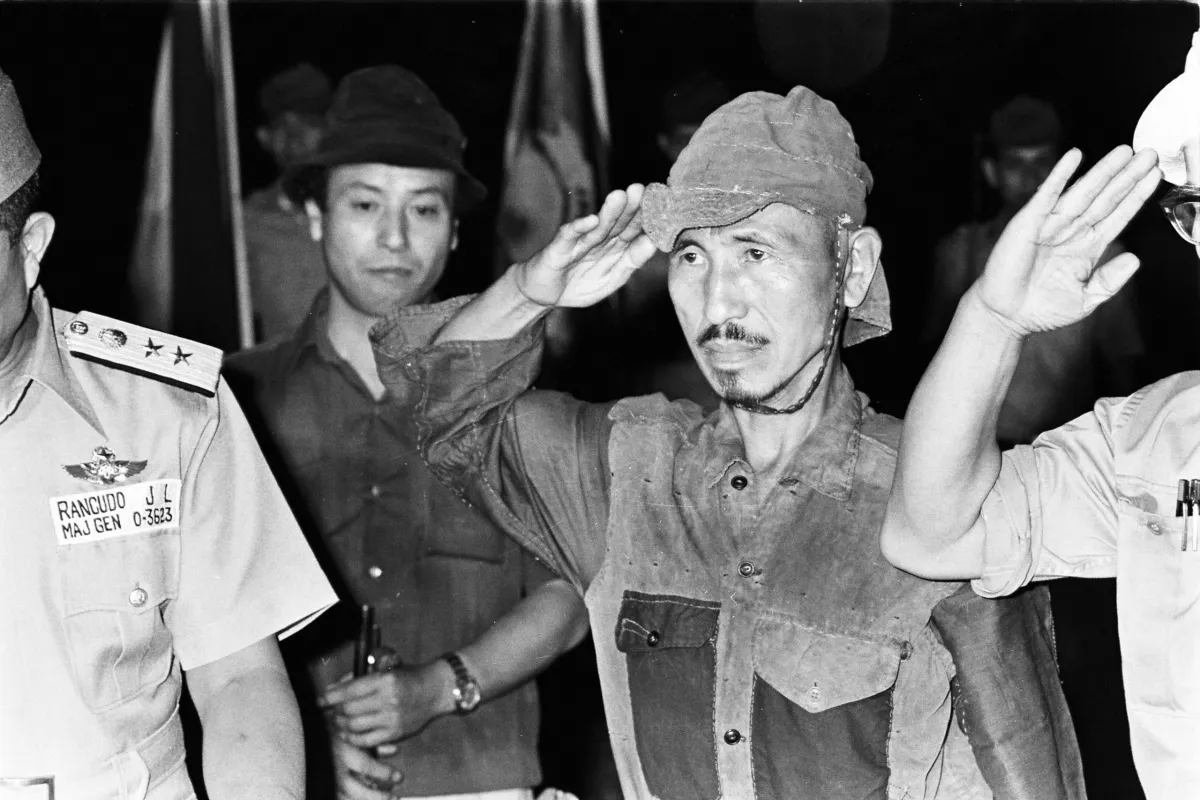 Photo: Hiroo Onoda, via www.historynet.com
The Mission That Never Expired
Onoda was a 22-year-old Imperial Japanese Army intelligence officer when he was deployed to Lubang Island in the Philippines in December 1944. His orders were specific and, in the context of the war's final brutal phase, entirely serious: conduct guerrilla warfare, disrupt enemy operations, and under no circumstances surrender. He was explicitly told that no matter what happened, he was not to give up the fight.
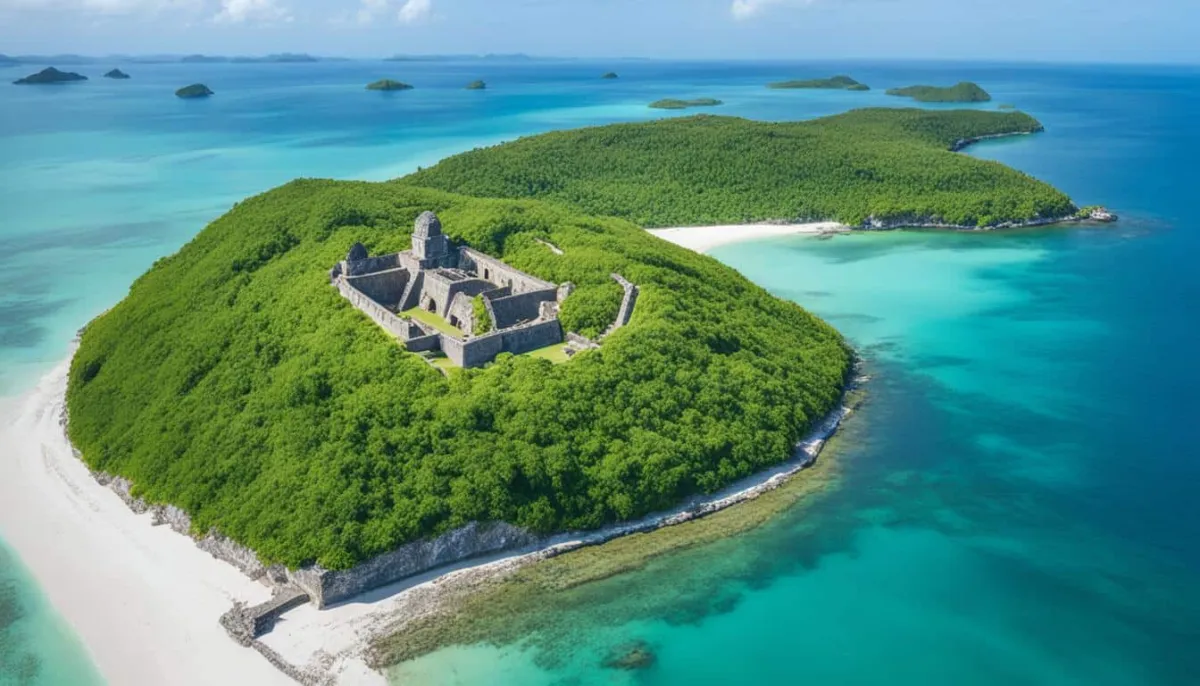 Photo: Lubang Island, via pinaywise.com
His commanding officer, Major Yoshimi Taniguchi, was clear on one point above all others: Onoda was to hold his position until he received direct orders to stand down. Not until the war ended. Not until he heard rumors. Until he received orders.
This distinction would define the next three decades of his life.
When Japan surrendered in August 1945, Onoda was deep in the jungle with a small unit. Leaflets were dropped from planes announcing the war's end. He found them. He read them. And he concluded, with the iron certainty of a man who had been trained to expect exactly this kind of psychological operation, that they were Allied propaganda.
Because why would the Japanese government surrender? It was unthinkable. Therefore the leaflets were fake. Therefore the war continued.
Alone in the Green Dark
Over the years, Onoda's unit dwindled. One man surrendered in 1950. Another was killed in a firefight with Philippine police in 1954. His last companion, Private Kinshichi Kozuka, was shot and killed by Filipino soldiers in 1972 — an encounter that made international news and finally confirmed to the outside world that Onoda was still out there, still fighting, still real.
Search parties had been sent before. Family members had recorded messages that were played through loudspeakers at the jungle's edge. Official notices were dropped from aircraft. Onoda heard them all. He dismissed them all. Every piece of evidence that the war was over became, in his mind, further proof of how desperately the enemy wanted him to believe the war was over.
This is the part of his story that moves from remarkable to genuinely haunting. Onoda wasn't delusional. By all accounts, he was sharp, disciplined, and strategically capable — he survived nearly three decades in the jungle, which requires extraordinary competence. He wasn't unable to process information. He was processing it through a framework so total, so deeply internalized, that contradictory evidence simply couldn't penetrate it.
He had been given a mission and told it would never be officially over until he received orders. So every year that passed without orders was, to him, confirmation that the mission was still active. The logic was airtight. The logic was also completely disconnected from reality.
The Only Thing That Could End It
What finally reached Onoda wasn't a government delegation, a military operation, or a loudspeaker announcement. It was a young Japanese adventurer named Norio Suzuki, who decided in 1974 that he wanted to find Onoda the same way some people decide to climb a mountain — because it was there, and because everyone said it was impossible.
Suzuki trekked into the Lubang jungle and, remarkably, found him. The two men talked. Onoda was polite, composed, and completely unmoved by Suzuki's insistence that the war had been over for 29 years. He had his orders. He would follow them until he received different ones.
Suzuki went back to Japan and tracked down the one person who could actually end Hiroo Onoda's war: Major Yoshimi Taniguchi, now retired and working as a bookseller. Taniguchi flew to the Philippines, walked into the jungle, and in full military dress, formally ordered Onoda to lay down his arms.
Onoda complied immediately. Of course he did. He had finally received his orders.
He emerged from the jungle on March 9, 1974, in his original uniform — carefully maintained — carrying his rifle, 500 rounds of ammunition, several hand grenades, and a sword that had never rusted. He was 52 years old. He had been at war for 29 years, 3 months, and 16 days.
What His Story Actually Tells Us
Onoda's war became an international sensation. He was received as a hero in Japan, pardoned by the Philippine government for the casualties his guerrilla campaign had caused, and eventually wrote a memoir. He spent his later years running a nature school for Japanese youth in Brazil and then back in Japan, where he died in 2014 at the age of 91.
But the story's real weight isn't in the logistics. It's in what it reveals about the architecture of belief.
Onoda didn't stay in the jungle because he was stupid or broken. He stayed because he had been given a framework for understanding the world that was strong enough to absorb every piece of contradictory evidence thrown at it. Every rescue attempt became proof the enemy was desperate. Every leaflet became proof of propaganda. Every year of silence from Tokyo became proof that communications were simply cut off.
Most of us never face anything like Onoda's situation. But the mechanism he was running — the way a deeply held belief can reinterpret incoming information to protect itself rather than update — is one of the most human things imaginable.
Hiroo Onoda's war ended in 1974. His jungle did not defeat him. Reality did not defeat him.
Only his commanding officer, speaking directly and in person, could reach him.
Everything else just sounded like the enemy trying to make him give up.