Stubbs for Mayor: How a Polydactyl Cat Accidentally Ran a Small Alaska Town for Two Decades
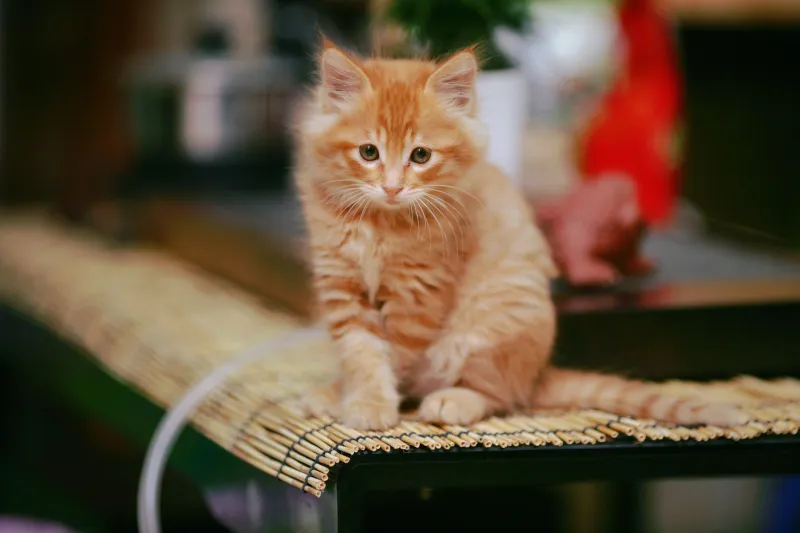
If you had to design the perfect politician, you'd probably start with someone calm under pressure, indifferent to criticism, and completely uninterested in personal gain. By those standards, Stubbs — a rotund, polydactyl orange tabby cat — was the most qualified elected official in Alaska for nearly twenty years.
He didn't campaign. He didn't debate. He didn't even show up to most of his own events on time. And yet, from 1997 until his death in 2017, Stubbs served as the honorary mayor of Talkeetna, Alaska, a small railroad-stop town of fewer than 900 people nestled near the base of Denali. Tourists came from across the world just to meet him. News crews showed up. Japanese television sent a camera team. The BBC wrote about him. And through all of it, Stubbs mostly just sat in a local restaurant, napping in a wine glass filled with water and catnip.
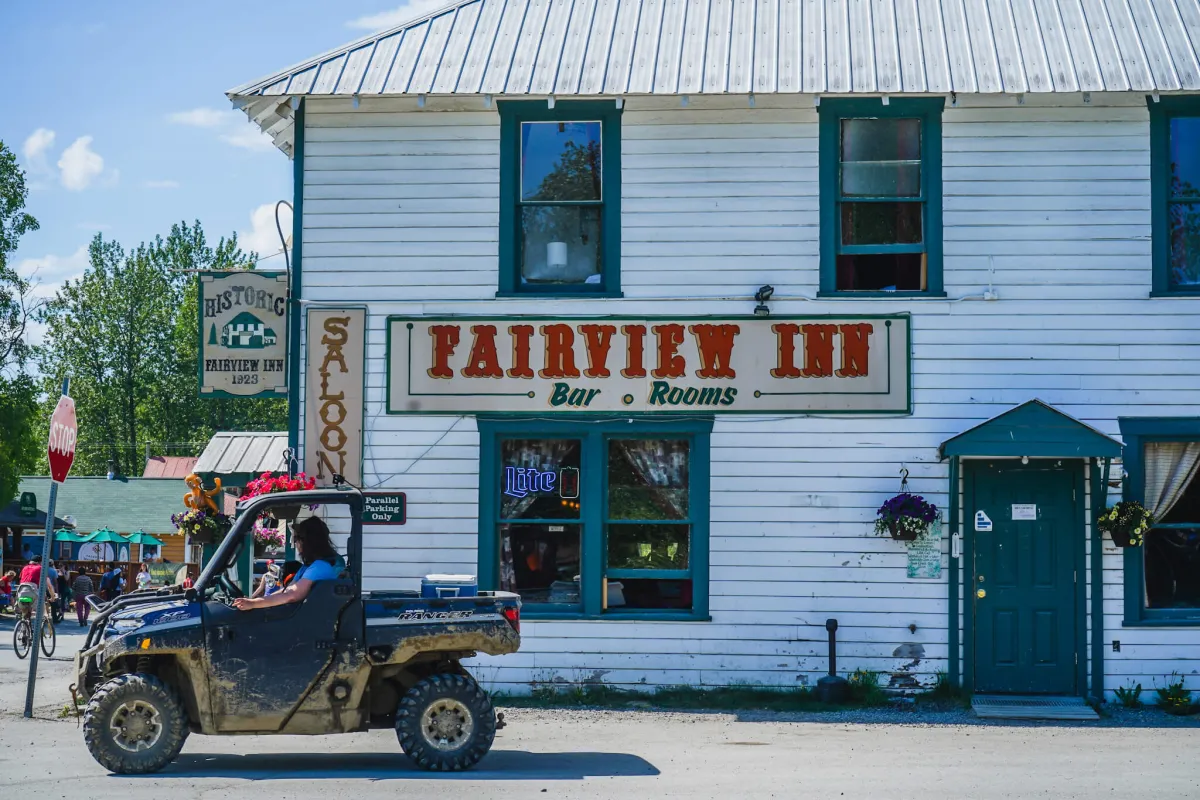 Photo: Talkeetna, Alaska, via niceland.pl
The whole thing started, as many great American traditions do, with a protest vote.
Nobody Liked the Candidates
In the spring of 1997, Talkeetna residents were underwhelmed by the humans running for local office. The details vary depending on who you ask — this is Alaska, and storytelling is a competitive sport — but the general consensus is that voters were dissatisfied enough to start writing in alternatives. Someone suggested the cat. The cat won.
Stubbs had been born that same year, discovered as a kitten near a local store. His name came from his notably stubby tail — a natural genetic quirk, not an injury. His extra toes, a condition called polydactyly, gave his paws a wide, almost mitten-like appearance that made him look perpetually ready to shake hands, which, in retrospect, was extremely on-brand for a public servant.
Because Talkeetna functions as an unincorporated community rather than a formally chartered municipality, there was no actual mayoral office to fill — which meant there was also no rule against a cat filling it. The write-in campaign was a joke, but the job was technically real enough that nobody could officially object. Stubbs was in.
The Duties of Office
Once installed, Stubbs took his responsibilities about as seriously as you'd expect. He held court at Nagley's General Store, where he had lived since kittenhood. Visitors could find him lounging on the counter, occasionally accepting chin scratches from constituents, and maintaining the kind of serene, unreadable expression that most politicians spend entire careers trying to fake.
His daily schedule reportedly included greeting tourists, supervising the store's operations from a comfortable perch, and consuming his famous catnip-spiked water from a wine glass — a ritual that locals cheerfully described as his "mayoral happy hour." He attended no city council meetings, because there was no city council. He issued no proclamations, because he was a cat. He did, however, reportedly enjoy being carried around the store, which counts as a public appearance in most jurisdictions.
The media attention that followed was genuinely staggering for a town this size. Talkeetna became known internationally not for its proximity to North America's tallest peak, not for its history as an Alaskan frontier settlement, but for its cat mayor. Travel writers worked him into Alaska itineraries. Reddit threads debated his policy positions. Someone made him a Facebook page.
The Assassination Attempt
In August 2013, Stubbs survived what local news outlets — with admirable commitment to the bit — described as an assassination attempt. A dog got hold of him near the store, inflicting wounds serious enough to require veterinary attention. Stubbs suffered a punctured lung, broken sternum, and several lacerations. He was, by any measure, in rough shape.
The town rallied. Updates were posted online. Get-well messages arrived from strangers in other states and other countries. A cat that most people had never met, in a town most people couldn't find on a map, had somehow accumulated enough goodwill to generate genuine international concern. Stubbs recovered. He returned to his post. The people of Talkeetna exhaled.
It was, in its own absurd way, one of the more remarkable displays of community attachment in recent American civic history.
What Stubbs Actually Meant
It would be easy to write off the whole thing as a novelty — a quirky footnote in Alaskan small-town lore. But the Stubbs story holds something more interesting underneath the surface charm.
Talkeetna residents didn't just keep voting for a cat because it was funny. They kept doing it because Stubbs represented something real: a collective decision to opt out of political theater, to reject the idea that leadership had to look a certain way, and to build a community identity around something genuinely joyful. He was a mascot who accidentally became a symbol. He was a protest vote that accidentally became a tradition.
When Stubbs died in July 2017, at the impressive age of 20, the response was genuine grief — not just from locals, but from people who had never set foot in Alaska. Obituaries ran in major newspapers. Social media filled with tributes. A town of 900 people paused to mourn a cat, and somehow, thousands of strangers mourned right alongside them.
Talkeetna later welcomed a successor, a cat named Denali, though the energy was different. Stubbs had been the original. He had run unopposed, served without scandal, and left office the only honest way a politician ever does — when he was good and ready.
Which, in his case, meant never.