The CIA’s Whiskered Secret Agent: The Cat That Was Supposed to Bug the Enemy
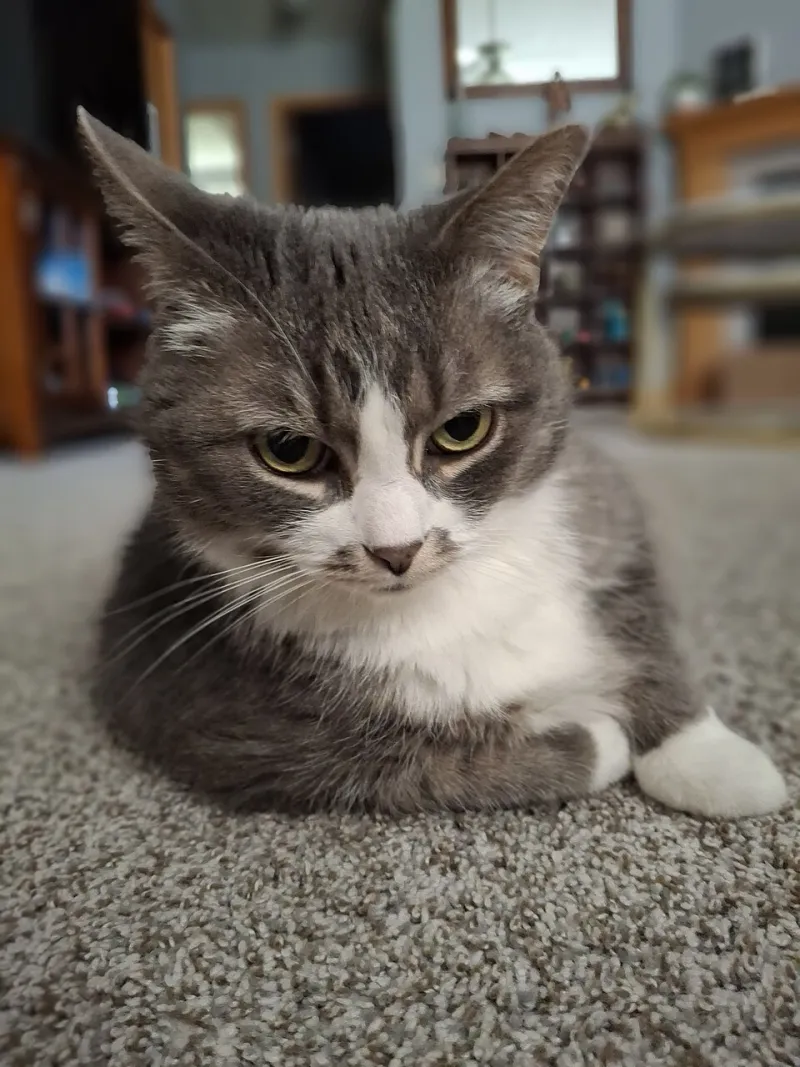
Photo: TheeRizzingler, CC0, via Wikimedia Commons
Spy agencies are supposed to be cold, rational, and relentlessly practical. They build satellites, recruit informants, and spend years perfecting methods that ordinary people never see. In the 1960s, the CIA apparently looked at all of that and asked a different question: could a cat be a secret agent?
The answer, according to declassified records, was not a clean no. It was a multi-year project called Acoustic Kitty. The idea was to implant surveillance equipment into a real cat and send it toward a target. The cat would look like a cat. It would wander where it wanted. It would sit on a bench, nap in an alley, or slip under a parked car. And, in theory, it would listen.
A Spy Agency Looks at a House Cat
The concept sounds like a joke, but the paperwork was serious. The CIA’s science and technology experts explored whether a cat could carry a microphone and transmitter without obviously looking like a piece of machinery. The surgery described in later accounts was not subtle. A microphone was placed near the ear canal. A transmitter and battery were implanted elsewhere in the body. An antenna was woven into the animal’s fur or tail, depending on which version of the story you read.
The reported cost is often given as $20 million over five years. That figure has been repeated so often that it has become part of the legend. The declassified record is thinner than the legend, which is worth remembering. The documents confirm that Acoustic Kitty existed. They do not confirm every colorful detail that has attached itself to the story.
Even so, the basic premise is strange enough on its own. The CIA was not trying to build a robot cat. It was trying to use a living animal as a mobile surveillance platform. The cat would not know it was on a mission. It would not care about the mission. It would simply be a cat, with federal equipment inside it.
The Engineering Was Real. The Cat Was Still a Cat.
This is where the plan ran into the oldest problem in animal labor: cats are not employees. They do not follow instructions because a government agency has a budget. They do not stay on task because the mission is important. They get hungry. They get distracted. They see a bird, a sunny patch of pavement, or a stranger with food, and the mission becomes irrelevant.
The project’s handlers apparently tried to address this with training and conditioning. The goal was to make the cat tolerate the equipment and respond to direction. But a cat with a microphone in its ear is still a cat with opinions. The technology could be implanted. The obedience could not be guaranteed.
That gap between engineering and behavior is what makes Acoustic Kitty so oddly modern. Today we talk about autonomous systems, machine learning, and robots that follow orders. Acoustic Kitty was a low-tech ancestor of that dream, except the platform had fur, claws, and no interest in the chain of command.
One Field Test, One Taxi
The most famous part of the story is the field test. According to the account that has circulated for years, the CIA took the cat to a location near a target and released it. The cat was supposed to cross the street, find a spot near the target, and begin transmitting. Instead, the cat wandered into traffic. A taxi hit it. The mission was over.
That version of events is dramatic, and it has the clean arc of a dark comedy. It should be treated with a little caution because the declassified material does not spell out every moment. But the broad outcome is not in dispute: the first serious field test did not produce useful intelligence. The project was canceled.
It is tempting to laugh at the image of a CIA officer watching a cat get flattened by a cab while a small fortune in surveillance equipment goes silent. But the failure was not just funny. It was a perfect demonstration of why living creatures make terrible hardware. A machine can be tested, calibrated, and expected to behave the same way twice. A cat cannot.
Why Smart People Thought It Could Work
It is easy to make fun of Acoustic Kitty from the safe distance of the present. It is harder to remember the context. During the Cold War, the United States and the Soviet Union were looking for any edge. Surveillance was a constant obsession. Embassies were bugged. Conversations were recorded. Analysts were desperate for information that could not be obtained through normal channels.
A cat had real advantages on paper. It was common. It was ignored. It could go places a human agent could not. It had excellent hearing. It did not look like a listening device. In a world where spies worried about cameras in briefcases and microphones in walls, a cat might have seemed almost invisible.
The flaw was not the idea of using an animal. The flaw was assuming the animal could be treated like a piece of equipment. The CIA could implant the transmitter. It could not implant the discipline.
The Legacy of a Very Bad Agent
Acoustic Kitty was declassified in 2001, and it has been a favorite of spy-history fans ever since. It fits neatly into the category of strange government projects: ambitious, expensive, and undone by something absurdly ordinary. In this case, the ordinary thing was a cat being a cat.
The project did not lead to a fleet of feline spies. It did not change the course of the Cold War. What it left behind was a story that sounds like a parody but is real enough to appear in the files. That is the sweet spot for a certain kind of history: the moment when a powerful institution spends real money on an idea that collapses under the weight of basic reality.
And maybe that is why the story endures. It reminds us that even the most sophisticated agencies are run by people. People have bad ideas. People get excited about clever solutions. People sometimes look at a cat and think, what if?